Apple Doubles Foldable Production Targets Amidst Surge in Pre-Orders
The company raised its one-year shipment goal for the iPhone Duo to 14 million units after facing immediate supply constraints during the launch window.
By Neha Iyer ·
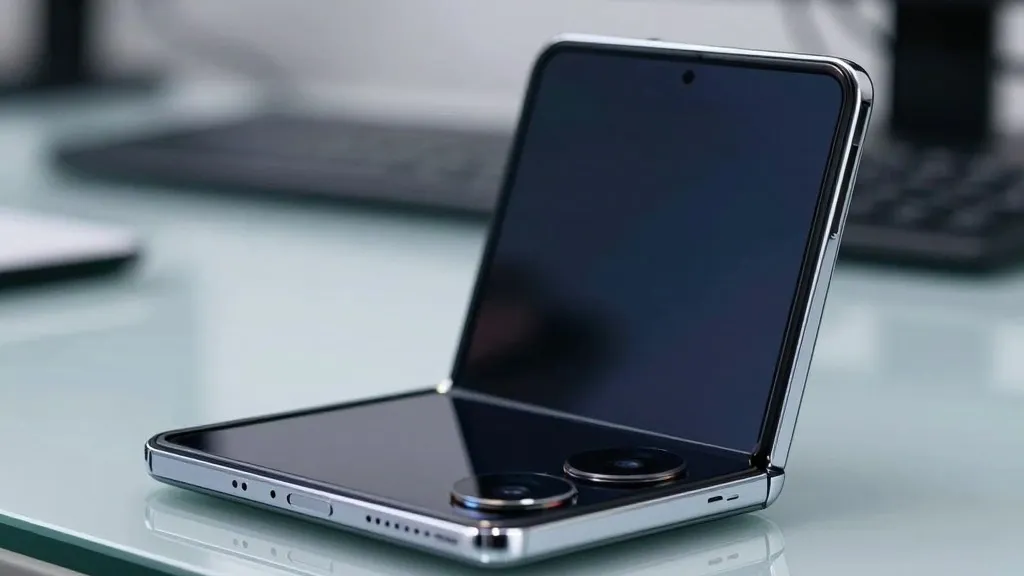
Apple has significantly scaled back its initial production plans for the iPhone Duo, raising its first-year shipment target from 9.7 million to 14 million units. Supply chain sources indicate this 43% increase in orders is a direct response to overwhelming pre-order activity for the company's first folding device.
The numbers reflect a sharp pivot in manufacturing strategy. By boosting the target to 14 million units over the next twelve months, Apple is signaling its confidence that the strong initial interest will persist. This adjustment places the foldable category in a much more prominent position within the company's broader hardware roadmap, aligning production capacity with what internal teams are now viewing as sustained market appetite.
The demand spike became apparent almost immediately after the pre-order window opened on Friday. Customers reported that estimated delivery dates slipped almost instantly, with some allocations pushed out to late January. While such delays can sometimes indicate logistical bottlenecks, the rapid movement of inventory pointed more toward high consumer interest than supply failures. To manage the rush, Apple implemented a cap of two devices per customer, a measure designed to limit the impact of resellers and scalpers on available stock.
As the production ramp-up takes effect, early adopters are already seeing adjustments to their shipping timelines. Some initial orders that were scheduled for later dates have been moved forward, suggesting that the increased manufacturing output is beginning to flow through the system. This shift confirms that the earlier delays were likely due to an initial underestimation of demand rather than a permanent lack of inventory.
For those who have already received the device, the experience is not without its growing pains. Third-party application support remains a key focus for users, with early reviews noting that software optimization is still catching up to the hardware. However, Apple states that developers are rapidly addressing these gaps. Additionally, while the current model utilizes Touch ID, reports indicate that Apple is already testing prototypes for a successor, the iPhone Duo 2, that would feature Face ID technology.
The stakes for Apple are high as it attempts to establish a foothold in the foldable smartphone market. By aggressively increasing production targets, the company is betting that the iPhone Duo will become a mainstream product rather than a niche experiment. The success of this strategy will depend on maintaining supply stability while simultaneously improving the software ecosystem to match the hardware's capabilities.
Source: 9to5Mac